According to two informed sources quoted on Tuesday by The Information, Meta Platforms has now agreed to buy nearly half of Scale AI ‘ s share of the artificial intelligence start-up company for about $15 billion. The deal was the largest external investment to date by Meta in the area of artificial intelligence, marking a major strategic advance in its competition in AI.
According to various media reports, such as Reuters and CNBC, on 10 June Meta ‘ s deal with Scale AI was officially announced at $14.8 billion, which was paid in cash, accounting for 49 per cent of Scale AI ‘ s shares, bringing the valuation of Scale AI to $30 billion. Prior to this, informed sources revealed that Meta planned to invest more than $10 billion, a deal that exceeded expectations and was one of the historical records of private financing.
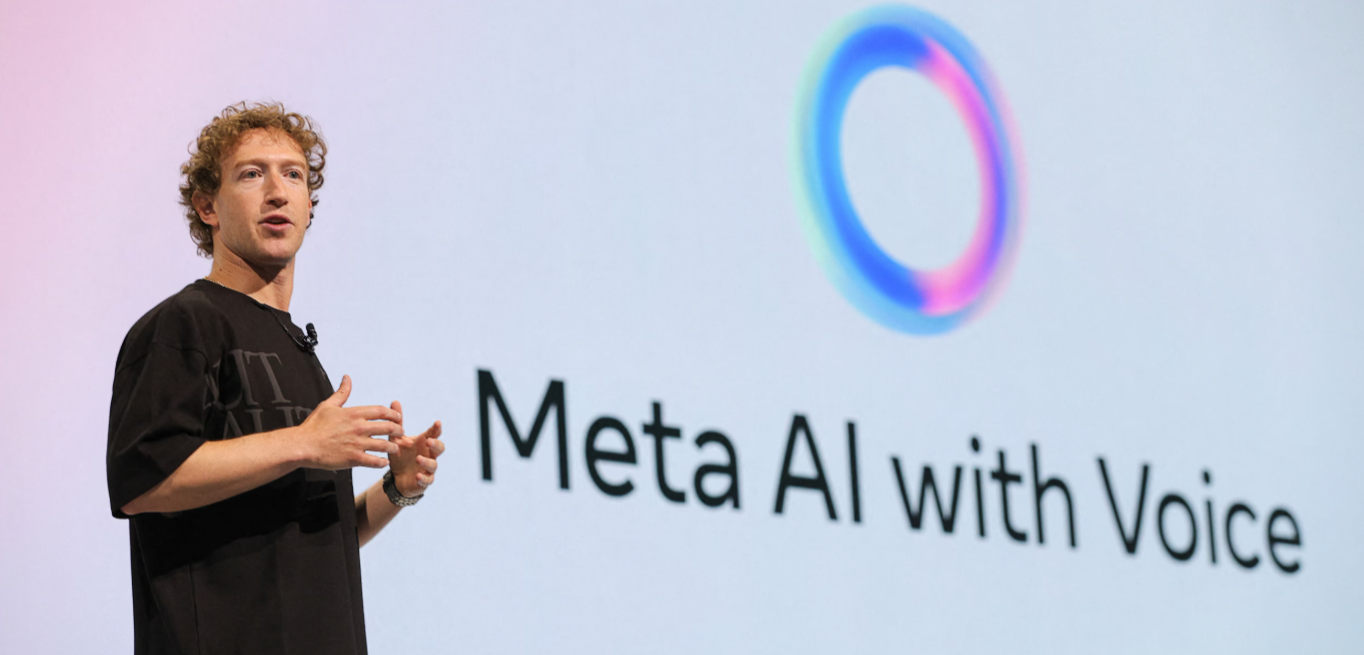
The CEO of Meta, Mark Zuckerberg, stated that the investment was intended to accelerate the development of his large open source model, LaMA, as a global AI standard. The terms of the deal included Meta ‘ s transfer of voting rights to the Scale AI founder, Alexandre Wang, to ensure its control over the company. Neither Scale AI nor Meta has made further details publicly available, but the parties have begun to integrate technical resources.
Scale AI was established in 2016 with its headquarters in San Francisco and focuses on data labelling and AI model training services, providing high-quality image, text and video data for the AI model. Its clients include such technology giants as OpenAI, Microsoft and Google, of which Meta is one of its largest clients, with revenue of $870 million in 2024, which is expected to double to $2 billion in 2025. The Scale AI platform supports the exchange of data among AI researchers in 9,000 cities around the world, and technologies are widely used in generating AI, autopilot and defence technologies.
Meta ‘ s cooperation with Scale AI is a key step in its AI strategy. Upon completion of the transaction, the parties will consolidate data and algorithm resources to optimize the performance of LLAMA in generating AI and multi-modular tasks (e.g. AI glasses, virtual reality). Scale AI will use Meta ‘ s funds to expand its data labelling platform, with a plan to add 10 million label workers in Asia and Europe by 2026. Meta also plans to deepen its cooperation with the defence and health sectors through data support from Scale AI.
Looking ahead to 2025, AI remains one of Meta’s top priorities. According to inside Meta, Zuckerberg was frustrated by the fact that OpenAI rivals seemed to be in the lead both in the bottom AI model and in consumer-oriented applications. Zuckerberg has been lowering the priority of the Basic AI Research Department (FAIR) to support a more product-oriented GenAI team to help Meta make progress and improve its artificial intelligence.LLAMASeries model.
According to sources, Meta released it in April this year.LLAMA4 The AI model was not well received by the developers, which further angered Zuckerberg, who began to be more concerned about the unpublished state of the upgraded Behemoth model. Following the Llama 4 show, Meta reorganized its GenAI department into two.
According to The Information, as part of the deal, Alexandre Wang will assist Meta in creating a new AI Smart Research Laboratory. According to the source, Zuckerberg greatly appreciated Alexandre Wang, who was able to lead the important AI project in Meta. Alexandre Wang, a war CEO, agrees with Zuckerberg that Meta needs the help of the technology industry in the face of the increasing competition in the AI sector.
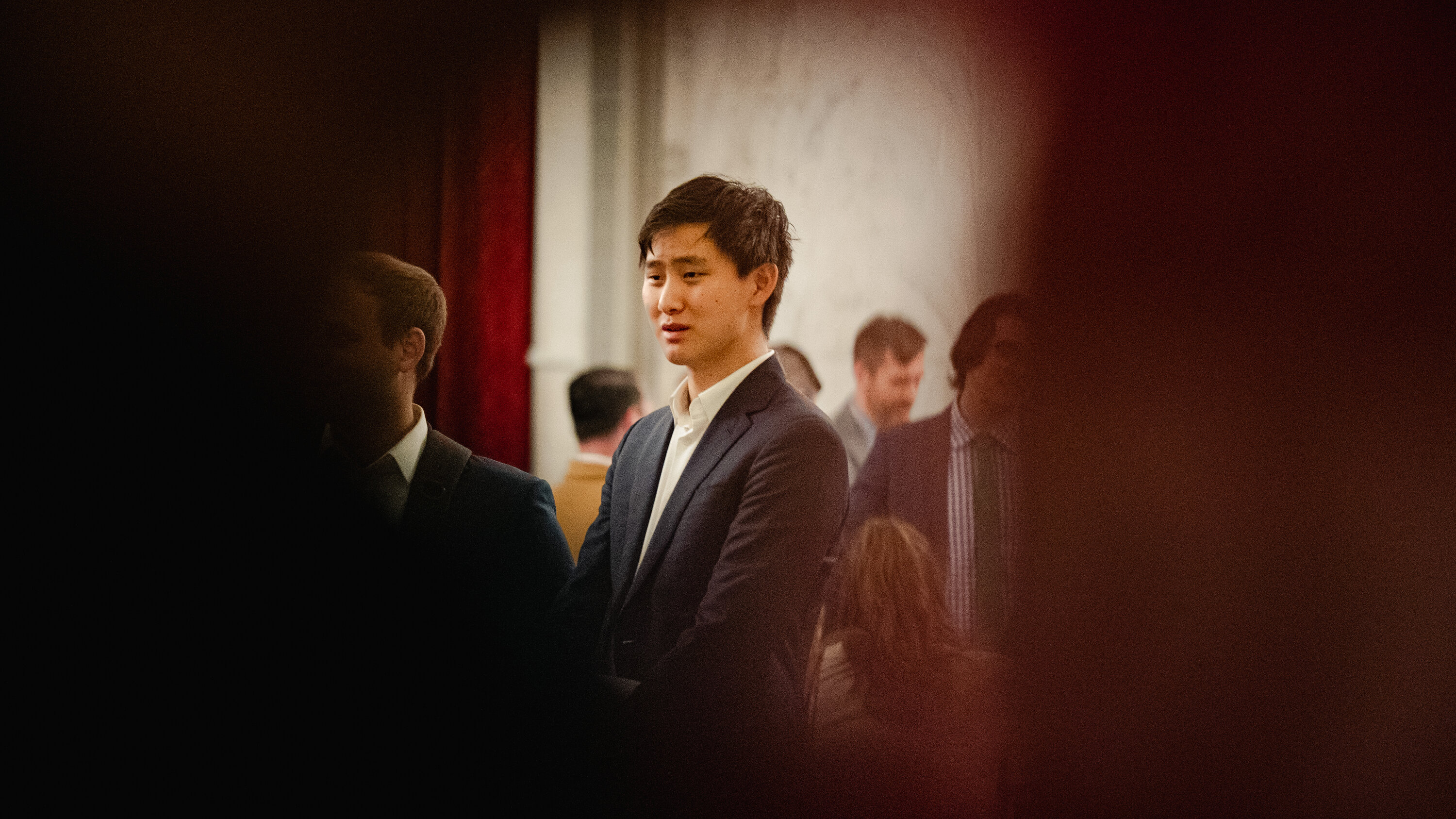
(Alexandr Wang)
The addition of Alexandre Wang brings to Meta a wealth of external knowledge about the construction logic of consumer chat robots and AI models for competitors like OpenAI. Vahan Petrosyan, Chief Executive Officer of SuperAnnotate, one of Scale AI ‘ s competitors, stated that data tagging and training had become more complex in recent years as the AI model function had been enhanced.
“I want to say that Scale AI has probably covered 70% of all the models created,” Vahan Petrosyan emphasizes: “With the help of Wang and Scale, Meta can create better chat AI. Meta acquired Scale AI, but paid for the latter’s wisdom.”
Analysts predict that the deal will drive Meta to become one of the three leading players in the global AI market in 2026, alongside OpenAI and Google. In the future, the synergies between Meta and Scale AI are expected to reshape the global AI ecology, opening new opportunities for defence, health, etc.