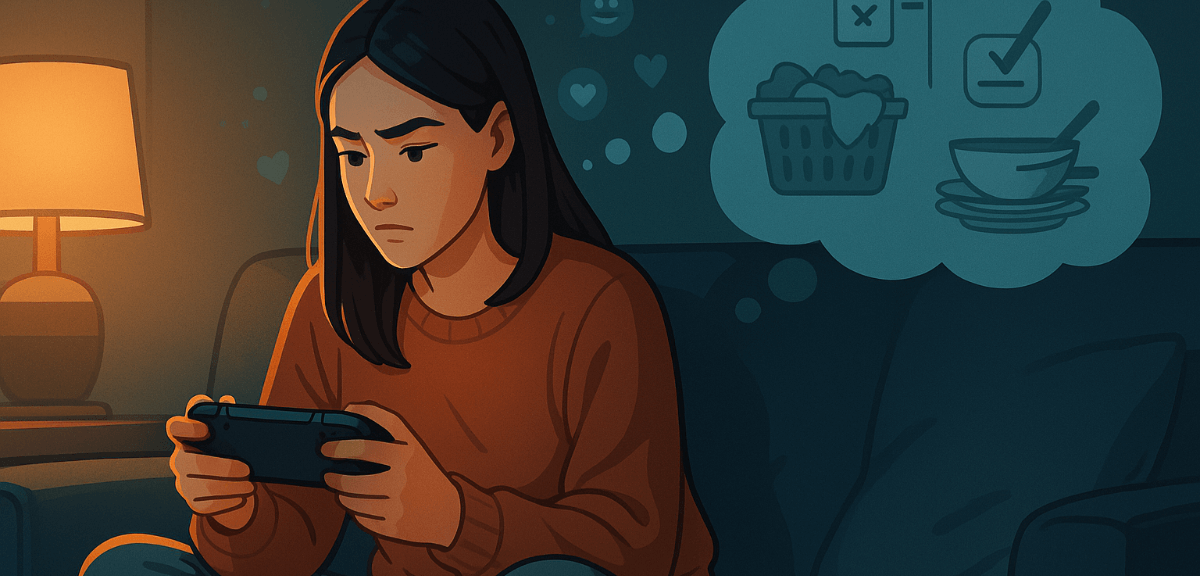
According to the Game Industry magazine, recent research shows that nearly one third of women play hand-players feel guilty about playing games. The study was led by Dr. Stephen Rennick, University of Sterling, and Dr. Seán Roberts, University of Cardiff, and carried out in cooperation with Undone Gomes, the Swedish game studio, with a study on the attitude of 1,000 British women players to the game.
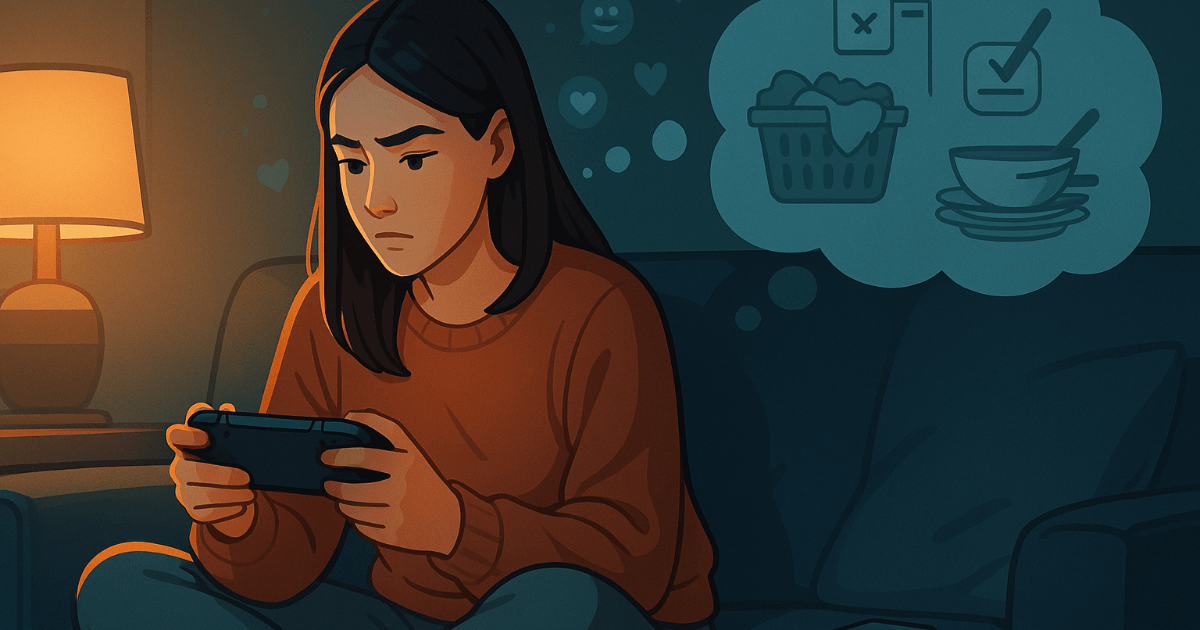
The study found that 28 per cent of the women interviewed felt guilty about spending their time playing games, and that older players (over 55) were less ashamed of themselves than younger players (16-24 years). In addition, women who hide their game habits from their relatives and friends are three times more likely to feel guilty than those who do not (63% vs 23%), while 34% of women who expect to play in 10,000 feel guilty and 9% more than they do not.
This sense of guilt is also closely related to whether women players share the culture of play. Sixty per cent of the respondents felt that their game was not long enough to be called a “player”, and women who believed that the game was a male leisure activity were twice as likely to feel ashamed as other women (46 per cent vs 23 per cent), while women who were ashamed to call themselves “players” were 20 per cent more guilty. On the contrary, it is 42 per cent lower in the sense that occasional games are considered to be players.
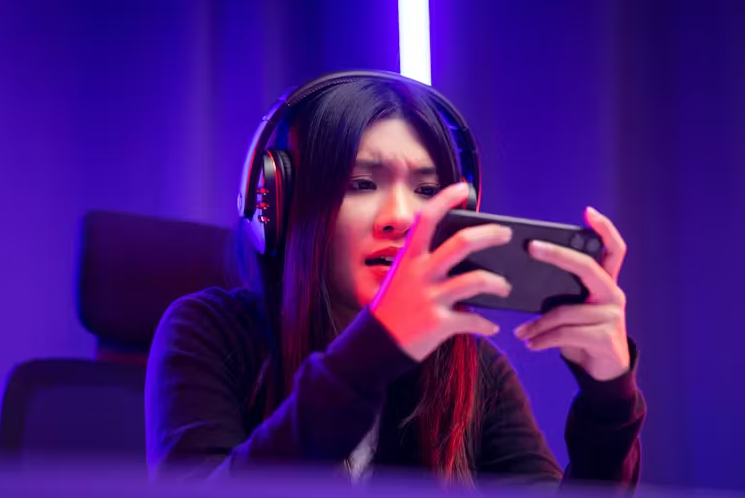
The study also found that certain characteristics of game marketing also increase women ‘ s guilt: Forty-one per cent of women are more guilty of not knowing which games to try, and 44 per cent of women are ashamed of considering the games too violent. The study states that women may not understand the diversity of the game because of the limited type of game they promote, and that it is easy to equate “play” simply with violent content rather than leisure.
The report emphasizes that this study, which only targets female respondents, does not demonstrate, though revealing, that women are more likely than other genders to feel guilty about travelling. Overall, many British women feel that the culture of play does not belong to themselves, and this sense of exclusion is an obstacle to play or open play habits.
The study further noted that gender inequality among women in leisure time may be the deeper cause. According to a study published by Gamehouse in 2023, women are almost twice as likely as men to feel guilty about enjoying “self-time”. According to Seán Roberts: “Women tend to reduce their game time if they think they do not fit the game culture. On the contrary, women who are proud of their achievements play longer. The sense of guilt is only a symptom, and the removal of barriers to female play may require deeper changes, such as the reduction of inequalities between men and women in leisure time.”

Nearly one third of British handplayers reduce game time due to guilt, a phenomenon closely linked to social pressure, marketing misperceptions and cultural identity. The study recommended that the game industry adapt its marketing strategies to promote diversity and called on society to reduce gender-based leisure inequalities in order to increase female participation. In the future, more cross-gender research may deepen this area and help to build more inclusive play environments.